This post is about my own story and mentions my own book, The Mortgage Playbook. This is my own book, written and sold by me. When you buy through a link on this page, you are buying directly from the author.
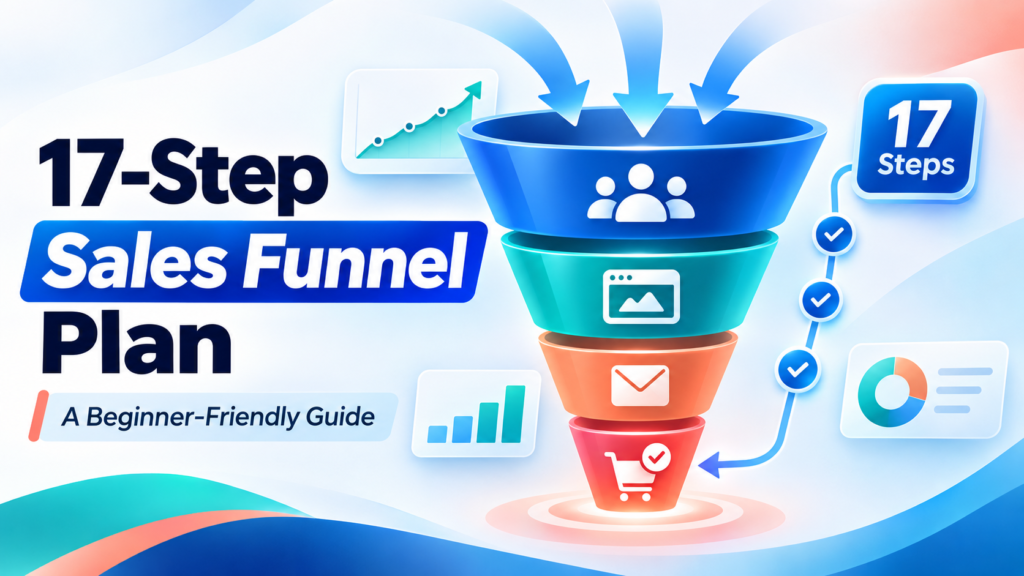
A sales funnel gives potential customers a clear path from discovering your business to joining your email list, buying an initial product, and considering relevant follow-up offers. This 17-step guide explains how to build that path without overwhelming visitors or relying on unrealistic promises.
Affiliate disclosure: This article contains an affiliate link. If you purchase through it, the publisher may earn a commission at no additional cost to you. Always review the current product details and decide whether the training fits your needs.
What Is a Sales Funnel?
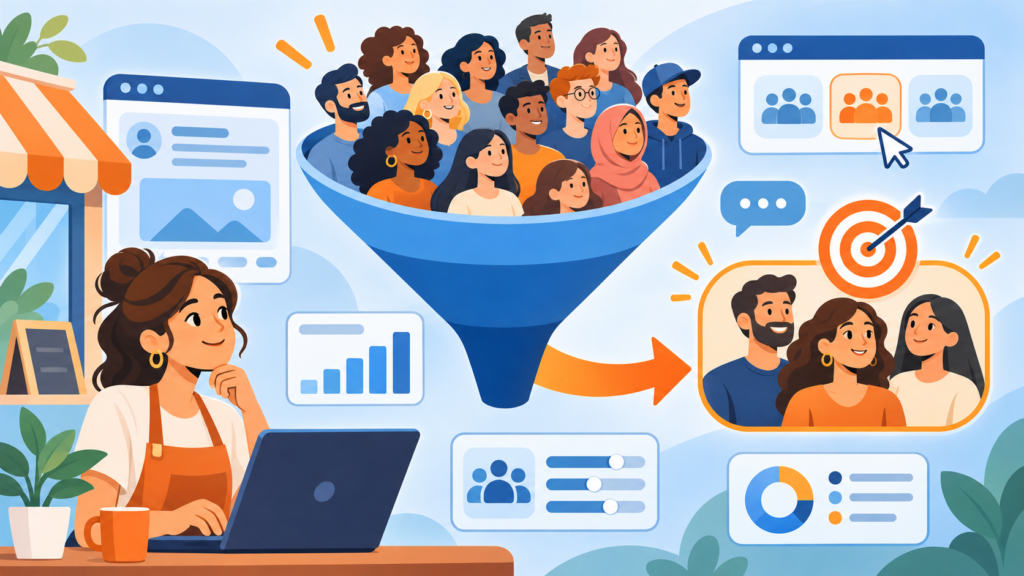
A sales funnel is a connected series of pages, emails, and offers. Instead of sending every visitor directly to a sales page, you guide people through steps based on their level of interest.
A basic funnel might include a free checklist, an opt-in page, a welcome email, a low-priced introductory product, and one relevant upsell. A more developed funnel could also include educational emails, customer-only offers, and a download page with useful recommendations.
You may come across headlines such as “Grab 17 Step Plan to Build a REAL Sales Funnel! (how-to videos inside…)” or “17 Steps to Build a Profitable Sales Funnel (works every time…)”. No funnel works every time, however. Results depend on your offer, audience, pricing, traffic quality, messaging, expenses, and testing. Treat the 17 steps as a practical framework rather than a guarantee.
Why Back-End Offers Matter
The first sale is only one part of the customer journey. A customer who receives value from an introductory product may later be interested in an advanced guide, a template pack, a membership, or a related service.
This is known as back-end revenue. It can increase average customer value, but only when later offers are relevant and genuinely helpful. Adding random products simply to create more sales can damage trust.
Understanding customer value may also help you make more informed advertising decisions. It does not mean that you should deliberately lose money on every first sale. New funnel owners should test cautiously, account for refunds and fees, and avoid increasing advertising spend until they have reliable data. First AI That Builds & Runs a Profitable YouTube News Channel For You: Complete Beginner’s Guide
17 Steps to Build a Practical Sales Funnel
1. Define One Funnel Goal
Decide what you want the funnel to accomplish. Your primary goal might be collecting qualified email subscribers, selling a starter product, booking consultations, or introducing customers to a product range.
Choose one primary action for each page. A page that asks visitors to subscribe, buy, follow several social accounts, and read five articles can create unnecessary confusion.
2. Identify the Audience and Problem
Write down who the funnel serves and the specific problem it helps solve. “Small online business owners who need a simple email follow-up system” is more useful than “anyone who wants success.”
Use customer questions, support requests, product reviews, and conversations to understand the words your audience uses. Do not invent pain points or exaggerate the consequences of a problem.
3. Map the Complete Customer Path
Sketch the funnel before building pages. A simple map could be: traffic source, opt-in page, thank-you page, welcome email, educational emails, sales page, checkout, optional upsell, and delivery page.
Mapping the path helps you spot missing links. It also prevents you from buying software before you know which functions you actually need.
4. Create a Focused Free Offer
A lead magnet should solve a small, immediate problem related to your paid offer. Possible formats include a checklist, worksheet, short PDF report, template, email mini-course, or brief video lesson.
For example, a bookkeeping consultant might offer a monthly expense checklist and later introduce a more detailed bookkeeping template. The free and paid offers serve the same audience without being identical.
5. Build a Clear Opt-In Page
Your opt-in or squeeze page should explain what the visitor will receive, who it is for, and how it may help. Include a specific headline, a few concise benefits, a simple form, and a clear button.
Avoid unsupported claims and fake urgency. Also disclose how subscriber information will be used and link to an appropriate privacy policy.
6. Plan Reliable Product Delivery
Decide how subscribers and customers will access what they requested. Delivery options include an email link, protected download page, membership area, or course platform.
Test the process yourself. Confirm that emails arrive, links work on mobile devices, files open correctly, and buyers receive understandable access instructions.
7. Produce a Useful PDF or eBook
If your offer is a report or eBook, organize it around a defined result. Use short sections, examples, checklists, and action steps. A shorter resource that helps readers complete one task can be more useful than a long document filled with general advice.
Proofread the file and make sure its design is readable on both desktop and mobile screens.
8. Add Video Where It Improves Clarity
Video can be useful for demonstrations, software walkthroughs, and processes that are difficult to explain with text alone. You do not necessarily need an elaborate studio, but clear sound and an organized lesson matter.
Create a brief outline before recording. Edit out avoidable pauses and provide captions or a written summary when possible.
9. Choose a Page-Building Method
You can create funnel pages with a hosted funnel platform, a content management system, or an HTML editor. Choose according to your skills, budget, required integrations, and willingness to handle technical maintenance.
A free tool is not automatically the least expensive option if it requires substantial setup time. Likewise, a paid platform is only worthwhile when you use the features included.
10. Keep Page Design Consistent
Use consistent colors, fonts, buttons, and messaging across your opt-in, sales, checkout, and delivery pages. Visitors should feel that each page belongs to the same business.
Prioritize readability over decoration. Test pages on phones, keep navigation simple, compress large images, and remove elements that distract from the next step.
11. Connect and Test the Technical Pieces
Connect your domain, email service, payment processor, analytics, file hosting, and page builder. If files must be uploaded to a server, an FTP application may be part of the setup.
Complete a full test using a separate email address. If possible, run a test purchase and verify confirmation messages, payment records, upsell behavior, and product access.
12. Select a Relevant Order Bump or Upsell
An order bump is a small add-on offered near checkout. An upsell is usually presented after the initial purchase. Both should complement the original product and make the next task easier.
For example, someone buying a meal-planning guide might find a printable recipe organizer relevant. An unrelated marketing package would probably feel out of place.
13. Set Sensible Prices
Consider the problem solved, depth of the product, delivery costs, customer support, market alternatives, payment fees, and refund risk. Do not base pricing only on what another marketer charges.
Make the total cost and billing terms easy to understand. If an offer creates a recurring charge, state the schedule clearly before the buyer completes payment.
14. Limit the Number of Upsells
More offers do not automatically create a better funnel. Too many upsell pages can frustrate customers and make checkout feel manipulative.
Start with one closely related offer. Add another only when it represents a logical next step and your customer feedback supports it. Every offer should also have an obvious decline option.
15. Build Ethical Follow-Up Emails
Your back-end strategy can include onboarding messages, usage tips, case examples, frequently asked questions, and relevant product recommendations. The goal is to help subscribers make informed decisions, not pressure them continuously.
Set expectations when people subscribe, identify your business in each email, and provide a functioning unsubscribe link. Follow the email and privacy rules that apply to your location and audience.
16. Measure EPC and Customer Value Carefully
Earnings per click, commonly called EPC, can be calculated by dividing attributed revenue by the number of tracked clicks. Customer value looks at how much revenue or gross profit an average customer produces over a defined period.
These figures are estimates rather than promises. Review advertising costs, software fees, transaction charges, refunds, fulfillment, taxes, and support expenses before deciding whether a funnel is profitable. Small data sets can also give a misleading picture.
17. Improve the Download and Thank-You Page
Your delivery page should first make the promised resource easy to access. After that, it can provide setup instructions, support information, a recommended next lesson, or a related offer.
Do not hide the download behind another purchase. The customer or subscriber should receive what was promised without having to navigate through confusing promotions.
A Simple Funnel Example
Imagine a designer who sells social media templates. The designer offers a free brand-color worksheet through an opt-in page. New subscribers receive the worksheet immediately, followed by emails explaining color consistency and basic post design.
One email introduces an entry-level template pack. Buyers are then shown one optional add-on containing matching story templates. The delivery page provides the files, instructions, and a link to customer support.
This funnel is simple, but each step has a purpose. The free resource attracts an appropriate audience, the emails provide context, and the paid offers are closely related. Performance would still need to be measured and improved over time.
What Sales Funnel Secrets Covers
According to its published outline, Sales Funnel Secrets organizes the process into 17 modules. Topics include funnel fundamentals, offer ideas, free lead magnets, squeeze pages, product delivery, PDF and video creation, page-building tools, FTP software, add-on products, pricing, upsells, customer value, EPC, and download-page monetization.
The offer also lists a bonus report covering low-ticket, mid-ticket, and high-ticket product ideas. Product contents, availability, pricing, and terms can change, so check the sales page for current information before purchasing.
This type of training may suit beginners who want a structured overview of the moving parts in a funnel. It may be less suitable if you already have an advanced funnel, need personalized consulting, or expect software and traffic to be provided automatically.
Conclusion
A real sales funnel is not just a collection of sales pages. It is a planned customer journey that connects a useful entry point, clear follow-up, relevant offers, dependable delivery, and careful measurement.
Start with a simple version and test every step. Listen to customer questions, correct technical problems, remove unnecessary friction, and base spending decisions on meaningful data rather than optimistic assumptions.
If you would like to explore the 17-module Sales Funnel Secrets training and its how-to material, you can view the current Sales Funnel Secrets details here. Review the curriculum, price, terms, and refund information for yourself before deciding whether it fits your goals.
Frequently Asked Questions
Do I need a sales funnel before starting the course?
The course description says the material is intended to explain the process from the beginning, including offer planning, page creation, delivery, upsells, and measurement. Check the current curriculum to confirm that it matches your experience level.
Does a sales funnel guarantee a profit?
No. Profit depends on factors such as product quality, pricing, traffic, conversion rates, costs, refunds, and follow-up. A funnel provides structure, but it cannot guarantee sales or income.
How complicated should a beginner funnel be?
Begin with the smallest funnel that supports your goal. An opt-in page, thank-you page, short email sequence, sales page, checkout, and delivery page may be enough. Add extra offers only when they serve a clear purpose.
What is the difference between an order bump and an upsell?
An order bump is normally a small complementary item offered during checkout. An upsell is a separate offer presented after the initial purchase. Both should be optional, clearly priced, and relevant to the original product.
What should I measure first?
Track where visitors come from, opt-in rate, sales conversion rate, average order value, refunds, customer acquisition cost, and net revenue after expenses. Use enough data to avoid making major decisions based on a handful of visitors.