Disclosure: This page may contain affiliate links. I may earn a commission at no extra cost to you if you purchase through one of these links.
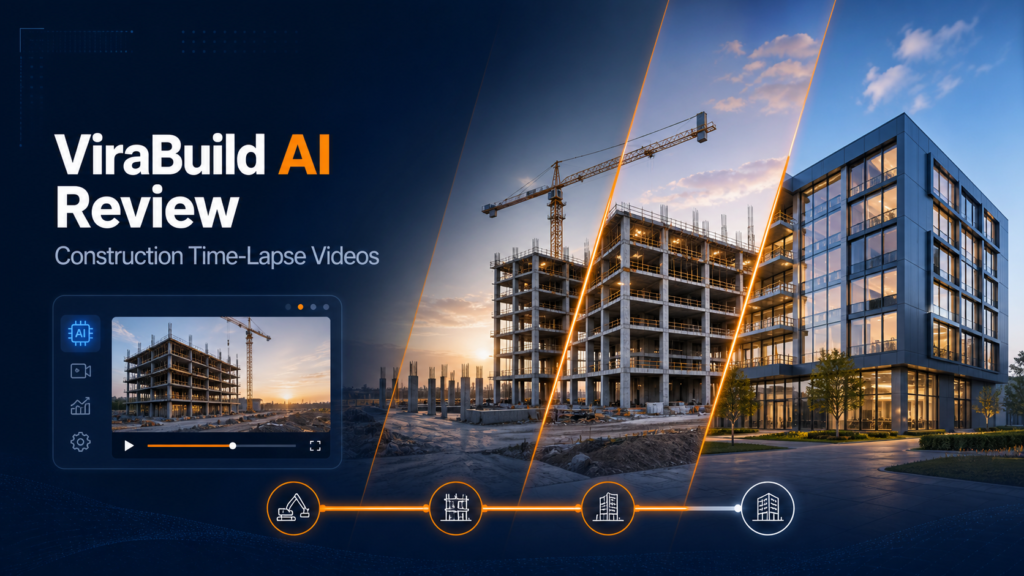
Construction transformation videos can turn a simple idea into attention-grabbing visual content. However, producing them manually may require planning, stock footage, animation software, and time-consuming editing. ViraBuild AI is presented as an AI platform designed to automatically generate cinematic construction time-lapse video flows in just a few clicks, making the format more accessible to beginners and small online business owners.
This guide examines what ViraBuild AI is intended to do, where it may fit into a content strategy, and which limitations you should consider. It also provides a practical workflow for creating useful videos without misleading viewers or relying on unrealistic marketing claims.
What Is ViraBuild AI?
ViraBuild AI is a specialized video creation platform focused on construction-style transformations. Instead of assembling every scene on a traditional editing timeline, users can start with an idea and use AI-assisted generation to develop a cinematic sequence showing a structure or environment taking shape.
The main appeal is workflow simplification. Construction time-lapse content normally involves multiple production stages, including concept development, asset creation, sequencing, transitions, sound, and final editing. An AI-assisted platform may reduce some of that manual work by generating the visual flow from a smaller set of user inputs.
It is important to understand the distinction between generated visual content and genuine project documentation. An AI-created sequence can illustrate a concept, support a fictional story, or provide promotional visuals. It should not be presented as an authentic recording of a real construction project unless it actually represents verified footage and facts. AutoClip Agent Review: The World’s First AI “Video Employee” That Creates, Posts & Monetizes Videos
Who Might Find ViraBuild AI Useful?
ViraBuild AI may be worth considering if construction transformations match your audience, products, or services. Its value will depend on how consistently you can connect the visual format to a clear business purpose.
Content Creators
Creators in architecture, property, home improvement, design, engineering, or visual entertainment can use construction-style sequences as hooks for short videos. A transformation from an empty site to a finished building, for example, can introduce a broader discussion about design decisions or planning considerations.
Small Business Owners
Builders, contractors, landscapers, designers, and property-related businesses may use conceptual videos to present ideas. Such visuals could be incorporated into social posts, introductory advertisements, presentation material, or educational content, provided the generated nature of the imagery is made clear when necessary.
Affiliate Marketers and Niche Publishers
Affiliate marketers can use the format to support articles about building tools, renovation products, architectural software, or property trends. The video should contribute useful context rather than serving only as decoration. A strong visual hook is more effective when it leads to relevant information and an appropriate offer.
Freelancers and Agencies
Freelancers may be able to add AI-assisted concept videos to their content services. Before offering this commercially, check the platform’s current license, output rights, usage restrictions, and any limits that apply to client work.
How the AI-Assisted Workflow Can Help
The central benefit of a specialized platform is focus. General-purpose video editors provide extensive control, but that flexibility can create a steep learning curve. A focused construction generator can guide users toward a recognizable result without requiring them to design every visual element from scratch.
This does not mean the tool replaces judgment. Users still need to choose a suitable concept, provide clear instructions, review the output, and connect the finished video to a message. Automation can shorten production steps, but useful content still requires human direction.
Faster Concept Testing
Rather than spending hours building one polished idea, a creator may be able to test several concepts. You could compare a modern house transformation with a commercial tower, cabin, garden studio, or renovation sequence before deciding which direction best supports your campaign.
A More Approachable Production Process
Beginners often find professional animation and compositing software intimidating. A guided workflow can make experimentation easier because it reduces the number of technical decisions required at the start.
Consistent Visual Themes
Using a repeatable construction format can help create a recognizable content series. For example, a design account could publish weekly conceptual builds based on different locations, styles, or practical constraints. Consistency should come from the editorial idea, not merely from repeating the same visual effect.
How to Create a Construction Time-Lapse Video
The exact controls may change as the platform develops, so review the current instructions inside ViraBuild AI. The following process provides a practical framework that can be adapted to the available tools.
Step 1: Define the Purpose
Decide what the video should accomplish before generating anything. Possible goals include illustrating an architectural idea, introducing an educational lesson, supporting a product comparison, or creating a visual hook for a longer article.
A focused purpose helps you avoid creating an attractive video that has no meaningful connection to your audience.
Step 2: Choose a Specific Construction Concept
A narrow concept generally provides clearer creative direction than a vague request. Instead of asking for a building to appear, define the type of structure, setting, visual mood, camera perspective, and broad transformation.
For example, you might plan a sequence showing a compact modern cabin developing on a wooded site, viewed from a stable wide-angle perspective in soft morning light. Avoid presenting unrealistic engineering details as professional guidance.
Step 3: Prepare Clear Input
If the platform accepts written prompts, describe the major elements in a logical order. Focus on the site, structure, materials, lighting, framing, and desired atmosphere. Keep the first attempt straightforward. Too many conflicting details can make an AI-generated sequence less coherent.
If image input is supported, use material you own or have permission to use. Do not upload copyrighted plans, client files, personal information, or confidential project assets unless the platform’s terms and your agreements allow it.
Step 4: Generate and Review the Draft
Watch the entire result rather than judging it from one attractive frame. Look for shifting windows, inconsistent machinery, distorted structural elements, sudden camera changes, or objects that appear and disappear.
These issues matter because construction scenes contain geometry and repeated details that can reveal AI inconsistencies. Regenerate or revise the concept when errors distract from the intended message.
Step 5: Add Context
A generated transformation becomes more useful when paired with a title, caption, narration, or short lesson. Explain whether the sequence is conceptual. If it is used to discuss a real project, clearly separate verified project information from illustrative imagery.
Step 6: Match the Output to the Publishing Channel
Consider the aspect ratio, duration, text placement, and pacing required by your intended channel. A vertical social clip needs different framing from a video embedded in a blog post. Keep important visual elements away from areas that may be covered by captions or interface buttons.
Step 7: Publish and Evaluate
Review practical signals such as watch time, viewer comments, clicks, and whether people continue to the next piece of content. No tool can guarantee traffic or conversions. Treat each video as a test and use audience response to improve future concepts.
Practical Content Examples
Example 1: Educational Architecture Post
Create a conceptual transformation of a small home and use it to introduce an article about common stages in residential construction. Add a disclosure that the visual is AI-generated and not a technically accurate construction schedule. The accompanying article can provide the factual detail.
Example 2: Landscaping Concept
Show an empty outdoor space developing into a structured garden with paths, seating, and planting areas. A landscaper could use the result as inspiration content while making it clear that actual designs, costs, and outcomes depend on the site and client requirements.
Example 3: Affiliate Product Roundup
Use a workshop construction sequence as the opening visual for a comparison of tools or storage products. The video creates thematic interest, while the article supplies specifications, advantages, limitations, and affiliate disclosures.
Example 4: Fictional Design Series
Build a recurring series around imaginative structures, such as remote cabins or futuristic studios. Labeling the work as conceptual gives you creative freedom without implying that the buildings exist or meet engineering standards.
Important Limitations and Responsible Use
AI video output can contain visual errors. Construction scenes may look convincing at a glance while showing impossible structural changes or inaccurate building processes. Do not use generated imagery as a substitute for architectural plans, engineering advice, safety training, inspections, or legal documentation.
You should also verify commercial usage rights before publishing content for clients, advertisements, or paid products. Review ViraBuild AI’s current terms for licensing, ownership, refunds, subscriptions, output limits, and acceptable use. These details may change and should be confirmed directly on the official offer page.
Respect intellectual property and privacy. Avoid requesting close copies of protected designs or using recognizable private property without suitable permission. When viewers could reasonably mistake a generated scene for genuine footage, a simple AI-generated or conceptual label can improve transparency.
What to Check Before Buying ViraBuild AI
- Output quality: Review current examples at full size, not just short promotional previews.
- Export options: Confirm available formats, resolution, duration, and aspect ratios.
- Usage allowance: Check whether generation limits or credits apply.
- Commercial rights: Verify whether you can use outputs for monetized content and client projects.
- Editing controls: Determine how much you can revise prompts, scenes, pacing, and visual style.
- System requirements: Check whether the platform is browser-based and whether other software is needed.
- Pricing terms: Confirm the current price, optional upgrades, renewal conditions, and refund policy.
These checks will help you judge the product based on your actual workflow rather than assuming every AI video platform offers the same features.
Conclusion: Is ViraBuild AI Worth Considering?
ViraBuild AI has a clear niche: helping users create cinematic construction transformation content through a more automated process. It may appeal to beginners, content creators, niche marketers, and small businesses that want this specific visual style without building every sequence in conventional editing software.
The platform should be treated as a creative production aid, not a guarantee of audience growth, sales, or professional construction accuracy. Its usefulness depends on output quality, licensing, current pricing, and how well the videos support your broader message.
If construction time-lapse content fits your plans, you can visit the ViraBuild AI offer page to review the latest demonstrations, features, terms, and pricing before deciding. This is an affiliate link, which means a commission may be earned if you purchase through it, at no additional cost to you.
Frequently Asked Questions
What does ViraBuild AI do?
ViraBuild AI is positioned as an AI-assisted platform for generating cinematic construction time-lapse and transformation videos. Review the current offer page for an up-to-date description of its tools and output options.
Do I need professional video editing experience?
The platform is promoted as a simplified, few-click solution, so it may be approachable for beginners. Basic skills in prompting, visual review, captions, and content planning will still help you produce more useful results.
Can ViraBuild AI videos be used commercially?
Commercial use depends on the platform’s current license and terms. Check whether monetized posts, advertisements, client projects, and resale applications are permitted before publishing.
Are the generated videos technically accurate?
AI-generated construction visuals may contain unrealistic details or processes. They should be treated as creative or conceptual content, not as engineering guidance, safety instruction, or verified project documentation.
Can ViraBuild AI guarantee views or sales?
No content creation tool can guarantee traffic, engagement, rankings, leads, or sales. Results depend on factors such as the concept, audience, distribution, message, offer, and overall content quality.
Should AI-generated construction videos be labeled?
Disclosure is advisable when viewers could mistake generated visuals for genuine footage or a real completed project. Clear labeling supports transparency and reduces the risk of misleading an audience.