
This post is about my own story and mentions my own book, The Mortgage Playbook. This is my own book, written and sold by me. When you buy through a link on this page, you are buying directly from the author.
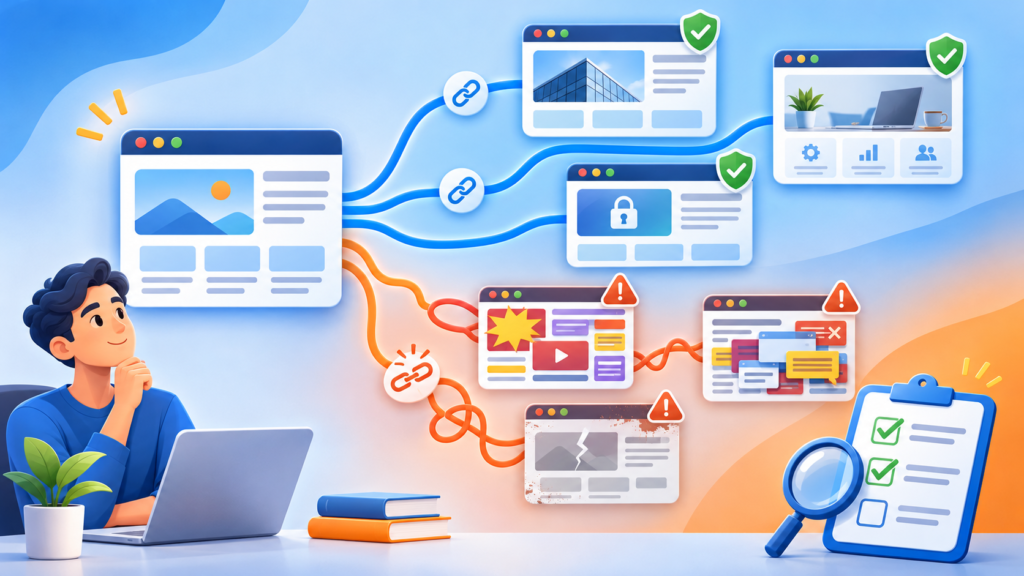
A business website with no visitors is ultimately just a page sitting online. It might look professional, explain your offer clearly, and feature an easy way to get in touch, but none of that matters unless the right people can find it.
That is the problem addressed by Business Website Traffic, a downloadable guide for business owners who need a broader view of website promotion. Its central idea is simple: never rely on one single source of traffic.
The guide introduces several possible doors through which visitors might discover a website. These include search engines, social media, article marketing, pay-per-click advertising, and free traffic from blogs. It covers these themes at a headline level, making it most relevant to beginners who want an overview before deciding where to focus.
Watch on HustleTube — my own video platform.
Why Business Website Traffic Matters
Creating a website can feel like the finish line, especially for a new business owner. In reality, publishing the site is only the beginning. People still need a reason and a route to reach it.
A website may receive visitors from a search result, a social platform, an advertisement, an article, or a mention on a blog. Each route represents a different opportunity. It also comes with different demands, limitations, and levels of control.
If all your visibility depends on one channel, changes to that channel can affect your entire flow of visitors. A search engine may update how it evaluates pages. A social network may change what users see. An advertising campaign may become too costly to maintain. Even a dependable source can become less useful over time.
Diversification does not guarantee more visitors, better rankings, or business growth. It simply encourages you to avoid placing all your hopes on one platform or tactic.
Who Is This Downloadable Guide For?
Business Website Traffic appears best suited to beginners and small online business owners who have launched a site but are unsure how people are supposed to find it.
It may be relevant if you have been concentrating on only one platform, if traffic terminology feels confusing, or if you want a straightforward introduction to the main categories available. It can also provide a useful starting point for someone who has heard about different traffic sources but has not yet considered how they fit together.
This is not positioned as a promise of instant visitors. It is better viewed as an entry-level overview of the traffic landscape. Experienced marketers looking for advanced technical instructions, detailed platform settings, or a highly specialized campaign manual may need something more in depth.
The Main Themes Covered
The guide looks at several recognizable traffic channels. Without revealing its content or methods, here is the broad territory it explores.
Search Engine Tips
Search engines can help people discover websites while they are actively looking for information, services, or products. The guide includes search engine tips as one part of a wider traffic approach.
This matters because search visibility is often treated as the only answer to a quiet website. Search can be valuable, but the guide’s larger message is that it should not have to carry the entire load by itself.
Traffic From Social Media
Social media gives businesses another potential point of discovery. Different platforms attract different audiences, and not every network will make sense for every company.
Business Website Traffic includes social media as one of the doors that can lead people toward a website. It does not change the need to choose platforms carefully or communicate in a way that suits your audience.
Article Marketing
Article marketing is another headline-level topic in the guide. Broadly, it relates to using written material as part of online visibility and discovery.
For beginners, its inclusion is a reminder that traffic does not have to begin and end on the website itself. Relevant content elsewhere can also be part of the overall picture, depending on the business and the places its audience spends time.
Pay-Per-Click Advertising
Pay-per-click advertising offers a paid route to website exposure. Unlike free channels, it requires a budget and careful decisions about whether the potential value justifies the cost.
The guide covers this category at a headline level. No paid campaign can guarantee profitable visitors, so business owners should always consider their budget, goals, and tolerance for risk before spending money on advertising.
Free Traffic From Blogs
Blogs can create additional opportunities for discovery, whether they belong to a business or exist elsewhere within its market. The guide includes free traffic from blogs among its core themes.
The important point is not that any single blog will transform a website. It is that blogs can represent another door alongside search, social media, articles, and paid promotion. The doors add up, even though outcomes will vary.
A Practical Pre-Purchase Traffic Check
You do not need to implement a complicated method to decide whether this guide is relevant. Start with a simple review of your current situation.
- Write down your existing traffic sources. Keep this at category level, such as search, social media, paid advertising, blog mentions, direct visits, or referrals.
- Look for heavy dependence. Ask what would happen if your main source became less effective or disappeared.
- Identify unfamiliar categories. Note which of the guide’s headline themes you have not yet explored or do not understand.
- Set realistic expectations. Decide whether you want a beginner-level overview rather than a promise of specific results.
- Consider your available resources. Some channels may demand time, while others may require a budget. A broader approach still has to fit your circumstances.
For example, imagine a local service business that depends almost entirely on posts from one social network. If those posts stop reaching people, the website has few alternative routes for discovery. Another business may rely only on search engines and have no presence elsewhere. In both cases, the issue is not necessarily that the current source is bad. The issue is the lack of alternatives.
What This Guide Can and Cannot Do
Business Website Traffic can introduce the idea of building visibility through multiple channels. It can help a beginner understand the broad categories worth considering and move beyond the assumption that simply publishing a website will attract an audience.
It cannot guarantee traffic, search rankings, leads, sales, or income. Results depend on many factors, including the market, the offer, the quality of the website, the audience, available resources, and how ideas are applied.
Readers should approach it as an affordable educational download, not as an automatic traffic solution. Its strongest fit is likely the business owner who needs orientation and a wider perspective before pursuing deeper training in individual channels.
Conclusion
A polished website is useful only when people can discover it. Depending on one source of visitors can leave a business exposed, even when that source is currently working well.
Business Website Traffic brings several traffic categories into one beginner-friendly overview: search engines, social media, article marketing, pay-per-click, and blogs. The main takeaway is not to chase every available channel. It is to recognize that a healthier traffic plan may involve more than one door.
Frequently Asked Questions
What is Business Website Traffic?
It is a downloadable guide that introduces several website traffic categories and emphasizes not relying on a single source of visitors.
Is the guide suitable for beginners?
Yes. Its broad, headline-level coverage is most likely to suit beginners and small business owners who need an introduction to the available traffic options.
Does it guarantee more website visitors?
No. The guide does not guarantee traffic, rankings, leads, sales, or income. It provides educational information that readers must evaluate and apply according to their own circumstances.
Which traffic sources does it discuss?
The main themes include search engine tips, social media traffic, article marketing, pay-per-click advertising, and free traffic from blogs.
Is this a detailed technical course?
It is better understood as an introductory downloadable guide than as advanced technical training. Readers seeking detailed platform-specific instruction may need additional resources.
If your website is sitting online without enough visibility and you want a beginner-friendly look at multiple traffic channels, you can download Business Website Traffic here for $9.95.