Disclosure: This page may contain affiliate links. I may earn a commission at no extra cost to you if you purchase through one of these links.
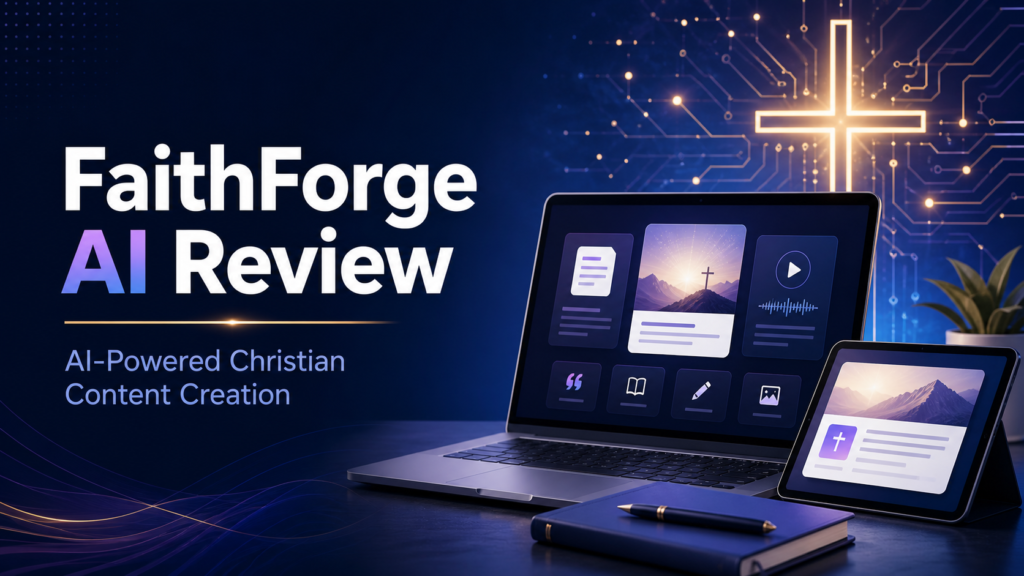
FaithForge AI is a faith-based AI platform designed to help users create, publish and sell devotionals, Scripture content, Bible studies, prayer guides, printables, Christian books and other digital products. It is positioned as an all-in-one faith business builder, but anyone considering it should look beyond the headline and evaluate how well it fits their theology, audience, workflow and quality standards.
In this FaithForge AI review, we will examine what the platform is intended to do, who may benefit from it and where human oversight remains essential. The goal is not to suggest that artificial intelligence can replace prayer, biblical study or pastoral wisdom. Instead, it is to explore whether Christian AI tools such as FaithForge AI can serve as practical assistants for content development and faith-based business operations. Watch Skill-Powered AI Agents Build Your Funnels: A Practical Guide to AI Skills Agent
Disclosure: This article contains an affiliate link. If you purchase through that link, the publisher may receive a commission at no additional cost to you.
What Is FaithForge AI?
FaithForge AI is religious AI software focused on Christian content creation. According to its positioning, it can support the production, publishing and sale of various faith-based digital products.
Rather than using a general-purpose AI tool and repeatedly explaining the intended Christian context, users may find value in a platform built specifically around faith-related content formats. These formats can include devotional entries, prayer materials, Scripture-focused lessons, printable resources and longer Christian publications.
The appeal is straightforward: creating quality material requires research, outlining, drafting, editing, formatting and distribution. FaithForge AI aims to make parts of that process more efficient. However, the level of automation available for publishing and selling may depend on the platform’s current features, integrations and plan. Prospective users should verify these details on the official offer page before purchasing.
What Can You Create With FaithForge AI?
FaithForge AI is promoted for several types of Christian ministry and business content. Its usefulness will depend on the clarity of your instructions and the care taken during review.
Devotionals and Scripture Content
A creator could use the platform to develop a structured devotional series around topics such as patience, forgiveness, gratitude or spiritual discipline. AI may assist with brainstorming themes, generating outlines and preparing first drafts.
For example, a seven-day devotional about hope might include a daily theme, a selected Bible passage, a reflection, a practical application and a closing prayer. Every Scripture reference and interpretation should still be checked against a trusted Bible translation and the creator’s theological framework.
Bible Studies and Discussion Guides
AI Bible study tools can help organize lesson components, including background questions, key themes, discussion prompts and application exercises. This may be useful for small-group leaders who need a consistent structure but do not want to begin with a blank page.
AI output should not be treated as an authoritative commentary. Biblical context, historical claims and doctrinal conclusions require independent verification. A study leader remains responsible for the material presented to the group.
Prayer Guides and Printables
FaithForge AI may also help users draft topical prayer guides, journaling prompts, Scripture cards, worksheets and other printable resources. These products can support ministry programs, email subscribers or a faith-based digital shop.
A church might create a general prayer journal for a month-long outreach initiative. A Christian business owner might develop printable reflection pages for customers. In both cases, thoughtful editing and distinctive design are necessary to avoid publishing generic material.
Christian Books and Digital Products
Longer projects can become easier to manage when AI is used for outlining, chapter planning and initial drafting. FaithForge AI could help organize a short Christian ebook, workbook or devotional collection into a logical sequence.
That does not mean an AI-generated manuscript is ready to publish immediately. Longer content needs careful editing for repetition, factual accuracy, theological consistency, tone and originality. Users should also confirm the platform’s current commercial-use terms before selling generated or assisted content.
Who Is FaithForge AI For?
This type of faith technology may serve several audiences, although it will not be equally suitable for everyone.
Pastors and Ministry Leaders
Pastor AI tools can assist with sermon brainstorming, series planning, illustrations, discussion questions and supporting resources. Used responsibly, a sermon writing assistant may reduce time spent on early-stage organization.
AI sermon writing should not replace personal study, pastoral discernment or knowledge of a congregation. A pastor understands local needs, sensitive circumstances and denominational teachings in ways that software cannot.
Christian Content Creators
Bloggers, newsletter publishers, podcasters and social media creators may use FaithForge AI to maintain a more organized editorial workflow. One central topic could be adapted into a blog outline, devotional email, discussion prompt and printable worksheet.
Creators should add their own perspective, examples and editorial judgment. Publishing raw AI text can weaken trust and make the content sound impersonal.
Small Faith-Based Business Owners
Entrepreneurs who sell Christian digital products may benefit from faster idea development and product planning. FaithForge AI may be especially relevant to beginners who understand their audience but struggle with structure or drafting.
AI does not guarantee sales, traffic or business growth. Product-market fit, presentation, pricing, customer service and ethical promotion still influence results.
Potential Benefits of FaithForge AI
A More Focused Starting Point
A specialized faith-based AI may provide a more relevant starting point than general software. Users can concentrate on a Christian resource without spending as much time establishing its broad context.
Help With Content Structure
Blank-page resistance can delay otherwise valuable projects. AI can suggest outlines, content sections, lesson sequences and product formats that users can refine.
Support for Multiple Content Formats
A single carefully researched theme can inspire several resources. For instance, a Bible study about gratitude could lead to a devotional, journal prompts, prayer cards and a leader’s discussion guide. This can create a consistent content library without requiring every item to start from zero.
Potential Workflow Efficiency
When used as a drafting and organization assistant, FaithForge AI may reduce repetitive work. The time saved can be redirected toward research, editing, design, audience engagement and ministry responsibilities.
Limitations and Important Considerations
An honest FaithForge review must address the limitations of AI faith tools. Specialized branding does not eliminate the common weaknesses of generative AI.
Theological Accuracy Requires Human Review
AI can produce interpretations that are incomplete, out of context or inconsistent with a user’s beliefs. Every biblical reference, historical statement and theological claim should be reviewed before publication or teaching.
Generated Content Can Sound Generic
Christian content creation depends on empathy, conviction and an understanding of the intended reader. AI can create a draft, but a human editor should improve its specificity, warmth and practical relevance.
Automation Does Not Remove Responsibility
Even if the platform supports publishing or selling workflows, users remain responsible for quality, copyright compliance, disclosures and customer expectations. Review the current licensing conditions, refund policy, pricing and supported integrations before relying on the software commercially.
Sensitive Ministry Situations Need Personal Care
AI should not be treated as a substitute for qualified pastoral counseling, medical care, legal advice or mental health support. Materials concerning grief, trauma, abuse or crisis situations require particular caution.
How to Use FaithForge AI Responsibly
A structured process can help beginners get better, safer results from Christian ministry tools.
Step 1: Define One Audience and Outcome
Identify exactly who the resource is for and what it should help them do. A prayer guide for new Christians will require a different tone and depth than a study workbook for experienced ministry leaders.
Step 2: Create a Detailed Brief
Specify the topic, format, length, audience, preferred Bible translation, tone and theological boundaries. Include the sections you want and subjects that should be avoided.
Step 3: Generate an Outline First
Review the structure before requesting a complete draft. It is easier to correct a weak direction at the outline stage than after generating an entire book or course.
Step 4: Verify Scripture and Claims
Check Bible quotations directly in the named translation. Review context, authorship claims, historical references and doctrinal statements using trusted resources.
Step 5: Add Human Insight
Include your own teaching emphasis, practical guidance and knowledge of the audience. Do not invent personal stories or present generated examples as real events.
Step 6: Edit and Format the Product
Remove repetition, improve transitions and check grammar. Make sure the visual design is readable and appropriate for the delivery format.
Step 7: Test Before Publishing
Ask a qualified reviewer to examine the material. If you plan to sell it, test links, downloads, formatting and customer instructions before launch.
FaithForge AI Review: Is It Worth Considering?
FaithForge AI may be worth exploring for pastors, Christian creators and small business owners who regularly develop faith-based resources. Its strongest potential value is not the elimination of human work, but assistance with ideation, structure, drafting and repurposing.
It may be less suitable for anyone expecting instant, publication-ready theological content or guaranteed commercial results. The best users will likely be those willing to edit carefully, verify every important claim and bring their own ministry perspective to the final product.
Before purchasing, examine the current feature list, examples, usage rights, pricing and refund terms. Make sure its publishing and sales capabilities match the platforms you already use.
Conclusion
FaithForge AI represents a growing category of Christian AI tools designed to support ministry work and faith-based digital publishing. It could provide a practical starting point for devotionals, prayer guides, Bible studies, printables and Christian books, particularly for users who need help organizing ideas.
However, responsible use is essential. Artificial intelligence can assist with production, but it cannot replace biblical discernment, theological accountability, pastoral care or thoughtful editing. Treat FaithForge AI as a tool under human direction rather than an independent spiritual authority.
If the platform sounds relevant to your content or ministry workflow, you can visit the FaithForge AI offer page to review its latest features, pricing and terms before deciding.
Frequently Asked Questions
What is FaithForge AI used for?
FaithForge AI is designed to assist with creating faith-based content and digital products, including devotionals, Scripture resources, Bible studies, prayer guides, printables and Christian books.
Can FaithForge AI write sermons?
It may support sermon planning, outlining and drafting as an AI sermon writing assistant. Pastors should independently study the biblical text, verify every claim and adapt the material to their congregation.
Does FaithForge AI guarantee product sales?
No software can guarantee sales, traffic, rankings or income. Results depend on factors such as product quality, audience needs, pricing, promotion and customer experience.
Is AI-generated Christian content accurate?
Not automatically. AI can make factual, contextual and theological mistakes. Scripture quotations, interpretations and historical claims must be checked by a knowledgeable human reviewer.
Can I sell content created with FaithForge AI?
The platform is promoted for faith-based digital product creation and sales, but users should review its current license and commercial-use terms. They should also verify the rules of any marketplace or publishing service they intend to use.