This post is about my own story and mentions my own book, The Mortgage Playbook. This is my own book, written and sold by me. When you buy through a link on this page, you are buying directly from the author.
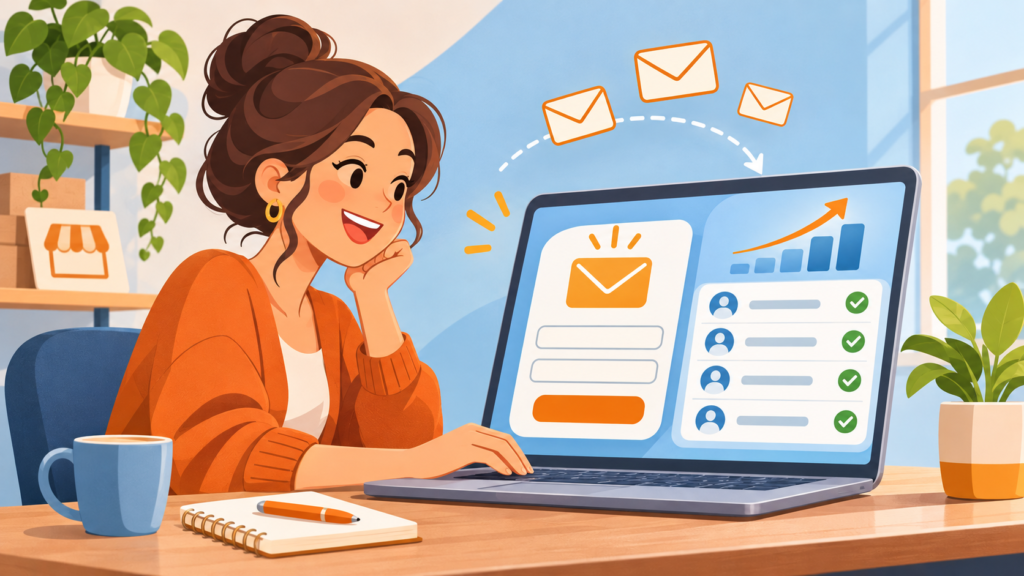
You grow an email list from scratch by offering something genuinely useful in exchange for an email address, sending people to one simple signup page, and then staying in touch with the people who join.
You do not need a large audience or a complicated system to begin. You need a clear reason for someone to subscribe, a straightforward way to sign up, and a plan for communicating responsibly. The first goal is not to collect as many addresses as possible. It is to attract people who are genuinely interested in what your business has to say.
Watch on HustleTube — my own video platform.
Why Building an Email List Matters
Social media can help people discover your business, but your access to followers depends on platforms you do not control. Algorithms change, organic reach can vary, and accounts can be limited or closed.
An email list gives you a more direct way to communicate with people who have chosen to hear from you. You still need an email service provider, and you must follow its rules and applicable email regulations, but you have greater control over when and how you contact your audience.
A list can support many types of small online businesses. A freelancer might share practical advice with potential clients. A shop owner could announce new products. A blogger might send new articles, while an affiliate marketer could share relevant resources with appropriate disclosures.
What Is List Know How?
List Know How is a downloadable beginner guide for people starting at zero subscribers. It speaks to a common problem: trying to build an online business without an audience of your own while depending heavily on social platforms and other channels you cannot control.
The guide focuses on the core ideas behind list building at a headline level. These include why an email list can be a business asset, what makes people want to join, and why staying in contact matters after someone subscribes.
It is positioned for beginners who want a simple introduction rather than an advanced technical manual. It may be relevant if email marketing feels unfamiliar or if you understand that a list is important but have not yet taken the first step.
Practical Steps for Starting Your List
The following general steps can help you organize your own list-building plan. They are not a description of the material inside List Know How.
1. Decide Who You Want to Help
A signup offer becomes easier to create when you know who it is for. Avoid trying to appeal to everyone. Define a specific type of reader and a problem connected to your business.
For example, a website designer might focus on local business owners preparing their first website. A meal-planning blogger might focus on busy beginners who want simpler weekday meals. Specific positioning helps visitors quickly decide whether your emails are relevant to them.
2. Create a Useful Reason to Subscribe
Most people will not join a list simply because a website says, “Sign up for updates.” Give them a clear benefit instead. This could be a short checklist, a quick-start guide, a resource list, a discount, or access to useful email lessons.
Keep the offer closely connected to the subjects you plan to discuss later. If your free resource attracts people who have no interest in your regular content, it may increase signups without building the right audience.
3. Use One Focused Signup Page
Create a simple page where visitors can understand the offer and subscribe without unnecessary distractions. Explain who the offer is for, what the subscriber will receive, and what kind of future emails they can expect.
Use a clear button and ask only for the information you genuinely need. For many beginner lists, an email address is enough. Make sure the form works on mobile devices and test the complete signup process yourself.
4. Invite Relevant People to Visit the Page
Once the page is ready, link to it from places where interested people already encounter your business. That might include your website navigation, blog posts, social profiles, video descriptions, or email signature.
Match the invitation to the surrounding content. If you publish an article about organizing a small home office, for example, a related workspace checklist will usually make more sense than an unrelated business resource.
5. Welcome New Subscribers
After someone joins, confirm what they requested and set expectations for future communication. Introduce your business briefly and make it easy for the reader to recognize why they are receiving your emails.
Do not immediately overwhelm a new subscriber with constant promotions. Start by delivering the promised value and showing that your emails are worth opening.
6. Stay in Contact Consistently
An email list is useful only when it supports an ongoing relationship. Choose a realistic schedule that you can maintain. Consistency does not require sending every day; it means avoiding long periods of silence followed by a sudden burst of sales messages.
Your emails might include educational tips, answers to common questions, useful resources, business updates, or relevant offers. Keep each message focused and give readers a clear reason to continue subscribing.
A Simple Beginner Example
Imagine that you sell printable planners for freelancers. You could create a small weekly planning sheet, place it on a focused signup page, and mention it in articles about time management. People who request it could then receive helpful emails about planning and organization, along with occasional information about related products.
The offer, signup page, and emails all serve the same audience. That alignment is more important than trying to use every available marketing channel at once.
Common Mistakes to Avoid
Making the Offer Too Broad
A vague promise such as “Get useful information” does not tell visitors why they should subscribe. Make the benefit easy to understand without exaggerating the likely outcome.
Adding People Without Permission
Do not buy lists or add contacts simply because you have their email address. Use a clear opt-in process, identify yourself in your messages, and provide an easy unsubscribe option.
Waiting for Everything to Be Perfect
You need a reliable signup process, but you do not need an elaborate website or a large collection of content. Begin with a focused offer and improve your approach as you learn what your audience finds useful.
Expecting Immediate Results
There is no guaranteed number of subscribers or fixed timeline. Growth depends on factors such as your topic, offer, existing reach, traffic sources, and consistency. Pay attention to whether the right people are joining rather than concentrating only on the total.
Conclusion
To grow an email list from scratch, start with relevance and trust. Give a defined audience a useful reason to join, make the signup experience simple, and communicate in a way that respects their attention. List Know How may be worth considering if you are at zero subscribers and want a beginner-friendly introduction to why list ownership matters, what encourages signups, and the importance of staying connected.
Frequently Asked Questions
Can I start an email list without a large audience?
Yes. You can begin with no subscribers and share your signup page through the channels available to you. Your initial progress will depend on the relevance of your offer and your ability to reach interested people.
Do I need a full website before I begin?
Not necessarily. You need a dependable signup page, an email service provider, and a clear way to explain what subscribers will receive. A full website can be helpful, but it is not always required at the beginning.
How often should I email subscribers?
Choose a schedule you can maintain without sending messages merely to fill space. Whether you email weekly, twice a month, or at another interval, focus on relevance and set reasonable expectations.
Is List Know How suitable for experienced email marketers?
It is primarily presented for beginners starting at zero. Someone already comfortable with list-building concepts and email marketing systems may need a more advanced resource.
If you want a simple introduction to list building before setting up your first campaign, take a look at List Know How for $7. This is an affiliate link, so I may earn a commission if you purchase through it, at no additional cost to you.