Disclosure: This page may contain affiliate links. I may earn a commission at no extra cost to you if you purchase through one of these links.
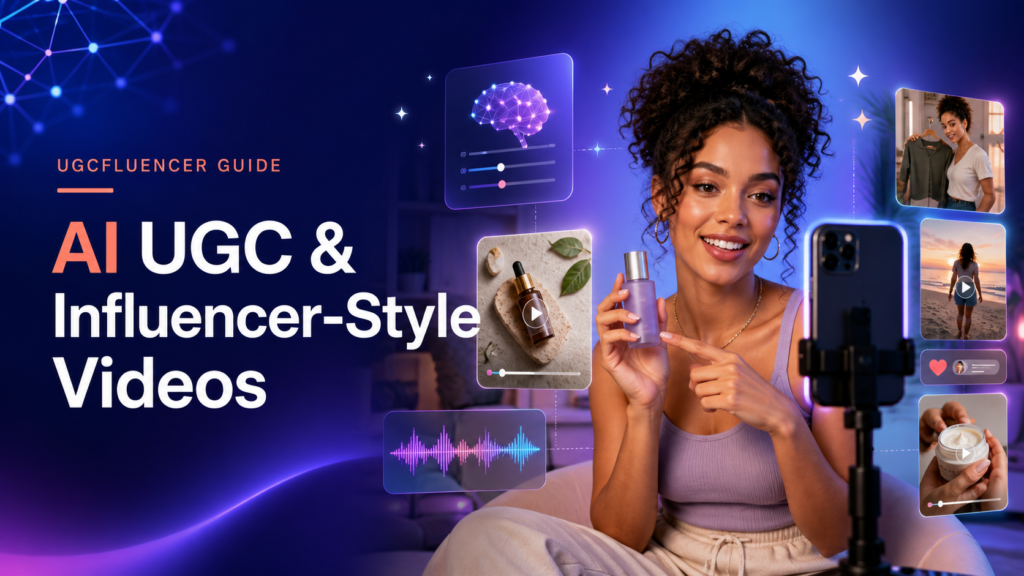
Video can help small online businesses explain products, demonstrate benefits, and communicate with audiences in a more engaging format. Producing it consistently, however, may require presenters, equipment, editing skills, and time. UGCfluencer is positioned as an AI UGC video generator that aims to simplify this process by turning written ideas into influencer-style or spokesperson-led videos.
This guide examines where a tool like UGCfluencer may fit into a beginner-friendly content strategy. It also covers practical workflows, examples, limitations, and ethical considerations surrounding AI presenters and digital likenesses. Features and pricing can change, so review the current product page before making a purchase decision.
What Is UGCfluencer?
UGCfluencer is marketed as a video creation tool for producing user-generated-content-style videos with artificial intelligence. Rather than arranging a full recording session for every campaign, a user can prepare a script and use an AI-generated presenter or influencer-style format to deliver the message.
The platform may appeal to affiliate marketers, ecommerce sellers, agencies, coaches, and small businesses that want to test more video concepts without filming each one manually. It is best viewed as a production assistant rather than a replacement for strategy, accurate product knowledge, or human judgment.
Terms such as text to UGC video, AI spokesperson generator, and AI influencer video maker describe closely related workflows. In each case, written marketing content is converted into a video featuring a synthetic or digitally generated presenter.
What Can an AI UGC Video Generator Be Used For?
The value of an AI video platform depends on the problem it solves. For most small businesses, that problem is not simply making a video. It is producing a clear, credible message in a format suitable for a particular audience and channel.
Product Introductions
A short presenter video can introduce a product, identify the intended customer, and explain one or two practical benefits. An online store might create separate versions for different customer needs rather than trying to cover every feature in one long advertisement.
Affiliate Marketing Content
Affiliate marketers can use an AI sales video creator to summarize a product category, explain a use case, or direct viewers to a longer comparison. Disclosures should remain clear, and claims should be based on verifiable product information rather than assumptions generated by AI.
Educational Videos
A digital spokesperson can introduce tutorials, answer common questions, or turn sections of a written guide into short videos. This is particularly useful when the goal is to repurpose existing content instead of developing every script from the beginning.
Faceless Video Marketing
Business owners who do not want to appear on camera may use a synthetic presenter as part of a faceless video marketing strategy. They still control the script, brand voice, examples, and call to action, but they do not need to record their own face or voice for each video.
Creative Testing
Automated UGC videos can make it easier to develop multiple hooks or calls to action. This does not mean every variation will perform well. It simply gives marketers more creative options to test while keeping production manageable. AutoChannel AI Review: Is This Autonomous OpenClaw AI Agent Right for You?
Understanding Human Cloning AI Tools
The phrase human cloning AI tool generally refers to creating a digital representation of a person, not biological cloning. Depending on the platform, this could involve reproducing aspects of a person’s appearance, voice, or presentation style.
This capability requires careful use. Only create a digital likeness when the person has given informed permission and the use complies with applicable laws, platform rules, and commercial agreements. Do not copy a celebrity, customer, employee, creator, or competitor without authorization.
Businesses should also consider whether viewers could reasonably misunderstand an AI presenter as a real testimonial. A synthetic spokesperson should not be presented as a genuine customer who personally used a product. When appropriate, disclose that the presenter or video was created with AI.
A Practical Text-to-UGC Video Workflow
A reliable process begins before opening the video generator. The following steps can help beginners create focused videos while reducing revisions.
1. Choose One Audience and One Objective
Define who the video is for and what that person should do after watching. Possible objectives include visiting a product page, reading a comparison, joining an email list, or learning one feature.
A narrow objective usually produces a clearer script. Avoid asking one short video to introduce a brand, teach several features, overcome every objection, and close a sale at the same time.
2. Select a Specific Message
Start with a genuine customer problem. For example, a small ecommerce business might focus on the time required to create product demonstrations. An affiliate marketer might focus on helping beginners understand how two software plans differ.
Support the message with accurate details. Check names, features, prices, limitations, and terms against current official information before putting them into the script.
3. Write a Conversational Script
A simple UGC-style script can use this structure:
- Hook: Identify a relevant problem or question.
- Context: Explain why it matters to the intended viewer.
- Solution: Introduce the product or next step without exaggeration.
- Evidence: Demonstrate a real feature, process, or example.
- Call to action: Tell the viewer what to do next.
Keep sentences short and read the script aloud. Remove inflated phrases such as “guaranteed success” or “effortless income.” A credible script sets realistic expectations and allows the viewer to make an informed decision.
4. Match the Presenter to the Context
Choose an AI spokesperson whose presentation suits the audience and message. A straightforward educational presenter may work better for a software tutorial, while a more informal style may suit a social media product introduction.
Presentation should support the message rather than distract from it. Consider pace, tone, framing, background, and on-screen text. If UGCfluencer offers different avatars, voices, languages, or formats, verify the available options on its current product page.
5. Generate and Review the Draft
Watch the entire video before publishing. Check pronunciation, timing, visual consistency, captions, and synchronization. Pay close attention to brand names, technical terms, URLs, prices, and calls to action.
AI output can contain awkward delivery or unintended errors. Regenerate or edit sections that sound unnatural. The convenience of a viral UGC video creator does not remove the need for human quality control, and no tool can ensure that a video becomes viral.
6. Adapt the Video for Each Channel
Different channels have different viewing habits and technical requirements. A vertical version may suit short-form social content, while a wider format may be more appropriate for a landing page or video platform.
Add accurate captions for viewers who watch without sound. Ensure that important text is readable on a phone and is not placed under interface elements. Avoid uploading identical content everywhere without considering the context of each platform.
7. Measure Useful Signals
Track metrics connected to the objective. For awareness content, watch time and completion rate may be informative. For a sales video, relevant signals could include qualified clicks, product-page engagement, or conversions.
Change one major variable at a time, such as the opening hook, presenter style, or call to action. This makes the results easier to interpret, although performance can still be affected by audience quality, offer strength, timing, and distribution.
Example AI Influencer Video Scripts
Example: Ecommerce Product Introduction
“Looking for a simpler way to organize charging cables on a small desk? This compact organizer is designed to keep commonly used cables within reach instead of letting them fall behind the furniture. Review the dimensions and compatibility on the product page to see whether it fits your workspace.”
This example identifies a problem, explains the intended benefit, and encourages the viewer to verify suitability. It does not pretend that the AI presenter personally owns or recommends the item.
Example: Affiliate Software Overview
“If you are comparing tools for creating presenter-led marketing videos, start by checking the available video formats, presenter options, usage limits, and commercial terms. UGCfluencer is positioned as a way to turn scripts into UGC-style videos. Visit the product page to review its current features and decide whether they match your workflow.”
This approach is transparent and avoids unsupported performance claims. It also gives the viewer reasonable criteria for evaluating the offer. ViralStreet AI Review: Is This the World’s First AI-Powered App for Viral-Style Videos?
Benefits for Small Online Businesses
An AI influencer video maker may reduce the logistical work involved in scheduling presenters, preparing a filming location, and recording repeated variations. It can also help teams repurpose written material into a visual format.
For agencies, repeatable templates may support more consistent production. For solo business owners, an AI spokesperson generator may provide an alternative when appearing on camera is impractical. International businesses may also benefit if the selected platform provides suitable language and voice options.
These advantages should be balanced against subscription costs, export limits, licensing rules, and the time required for review. Compare these factors with other options, including recording on a smartphone, hiring a creator, or combining human footage with conventional editing software.
Limitations to Consider
AI-generated presenters can sometimes appear less natural than experienced human creators. Voice rhythm, facial movement, emotional nuance, and gestures may not fit every message. Sensitive stories, personal testimonials, and trust-heavy campaigns may benefit from genuine human participation.
Automated production also does not create an audience or a compelling offer. Distribution, positioning, targeting, landing-page quality, and customer trust still matter. Treat claims about instant virality, guaranteed traffic, or assured revenue cautiously.
Before choosing UGCfluencer, review its current pricing, refund terms, usage allowances, commercial license, privacy practices, supported export formats, and rules governing uploaded faces or voices. Consider how you would remove or update videos if product information changed.
How to Evaluate UGCfluencer
- Confirm that its presenters and video styles suit your brand.
- Check whether output formats match your intended publishing channels.
- Review limits on video length, exports, credits, and storage.
- Understand the rights covering commercial and client work.
- Look for controls over scripts, voices, captions, and visual branding.
- Assess whether the workflow saves enough time to justify the cost.
- Verify consent requirements for any face or voice cloning feature.
A useful AI tool should fit an existing marketing process rather than force the business into an unsuitable one. Begin with a limited project, inspect the output carefully, and expand only if the platform meets your quality and compliance standards.
Conclusion
UGCfluencer may be worth considering for marketers who want to create text-to-UGC video content, synthetic spokesperson videos, or faceless promotional assets without managing a traditional shoot for every idea. Its practical value will depend on output quality, available controls, licensing, cost, and how well the videos align with your audience.
Use AI to support clear communication rather than manufacture false experiences. Accurate scripts, proper disclosures, authorized likenesses, and careful review are essential. If you want to investigate the platform, visit the UGCfluencer product page to check the latest features, pricing, terms, and examples. This is an affiliate link, which means a commission may be earned if you purchase through it, at no additional cost to you.
Frequently Asked Questions
What is UGCfluencer?
UGCfluencer is positioned as an AI-based tool for creating influencer-style, spokesperson-led, or UGC-style marketing videos from written content. Check the current product page for its exact features and usage limits.
Can UGCfluencer guarantee a viral video?
No video tool can guarantee virality, traffic, sales, or other marketing results. Performance depends on the message, offer, audience, creative quality, distribution, timing, and platform conditions.
Can I use an AI spokesperson for affiliate marketing?
Potentially, provided the content follows the affiliate program’s terms, advertising laws, and publishing platform rules. Clearly disclose affiliate relationships and avoid portraying an AI presenter as a real customer.
Is human cloning AI ethical?
Creating a digital likeness can be ethical when the person gives informed consent and the usage is transparent, lawful, and properly licensed. Copying someone’s face, voice, identity, or testimonial without authorization is not appropriate.
Are automated UGC videos suitable for beginners?
They can reduce filming and editing demands, but beginners still need to write accurate scripts, review generated output, understand licensing, and adapt each video to its intended channel.
What should I check before buying UGCfluencer?
Review current pricing, included credits, export quality, video formats, presenter options, commercial rights, cloning permissions, support, refund terms, and any recurring fees. Compare these details with your actual production needs.